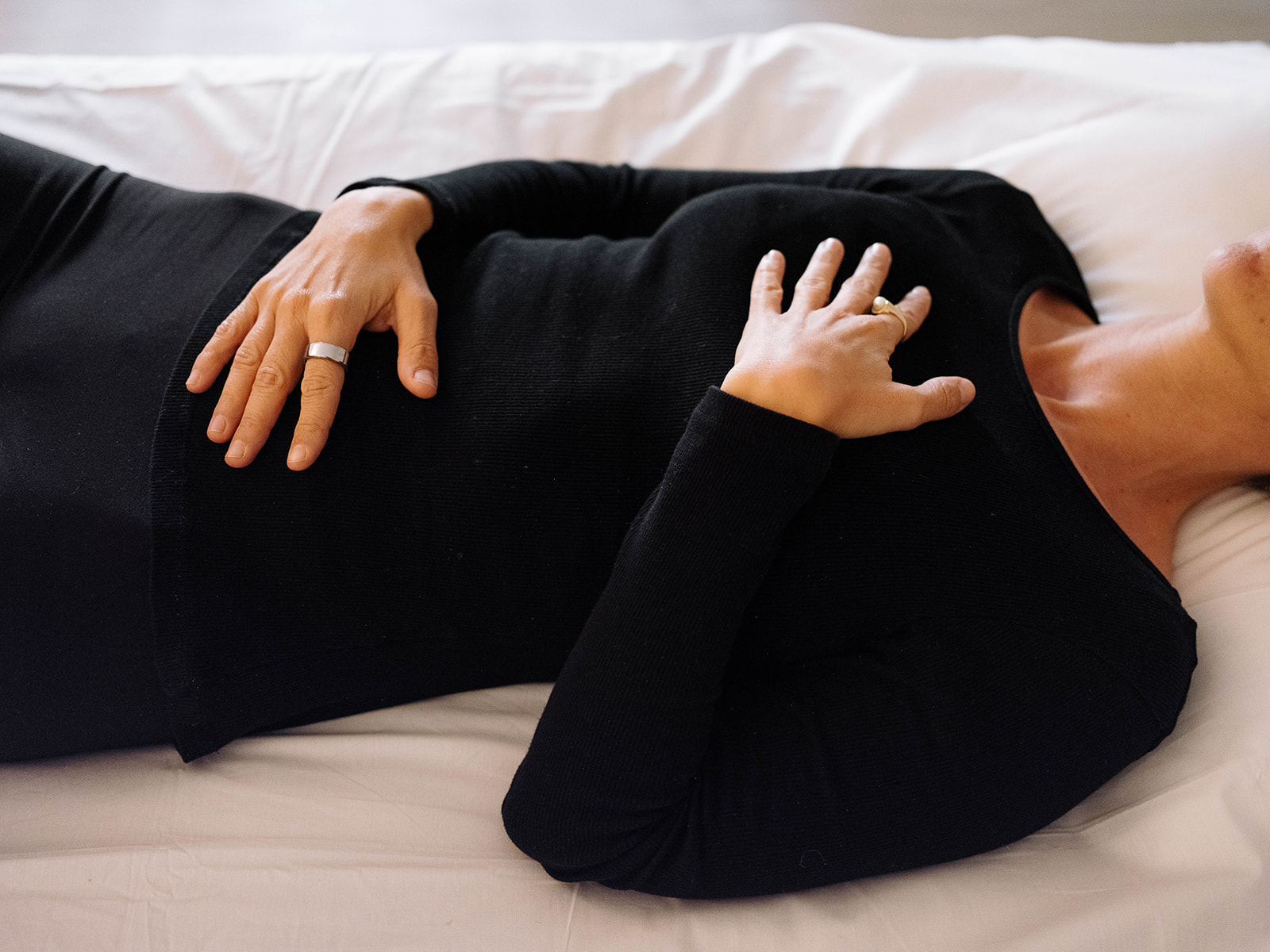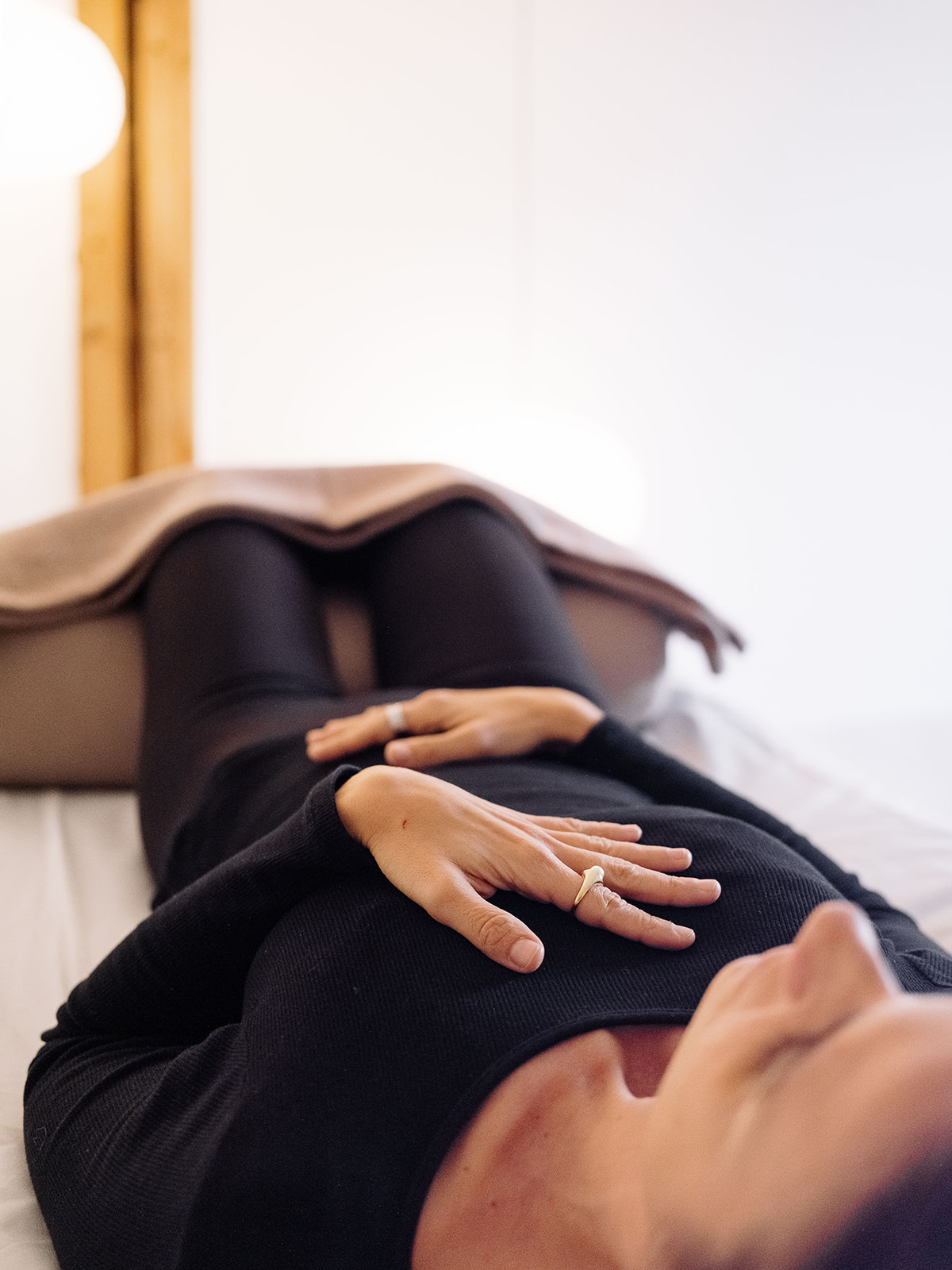
Can Breathwork Help Reduce Anxiety and Stress?
In today’s fast-paced world, stress and anxiety have become nearly universal experiences. Many people are turning to natural and accessible methods to regain calm and balance in their lives. One such practice that is gaining recognition both in wellness communities and scientific research is breathwork. But can breathwork actually help reduce anxiety and stress? This article explores the science, mechanisms, and practical applications of breathwork for mental well-being.
What is Breathwork?
Breathwork refers to intentional breathing practices designed to influence physiology, mental state, and emotional well-being. Unlike automatic, unconscious breathing, breathwork involves deliberate control over:
- Breath rate (slow or fast)
- Breath depth (shallow or deep)
- Breath patterns (continuous, cyclical, or interrupted)
Popular forms of breathwork include:
- Conscious Connected Breathwork (CCB) – continuous, circular breathing for emotional release
- Box Breathing – a balanced inhalation-hold-exhalation-hold pattern
- Coherent Breathing – slow, rhythmic breathing to regulate the nervous system
- Holotropic and Rebirthing Breathwork – more intensive methods designed for emotional and psychological processing
Each technique can influence both the mind and body, which is key to its potential stress-reducing benefits.
How Breathwork Impacts Anxiety and Stress
Stress and anxiety often trigger the fight-or-flight response, activating the sympathetic nervous system. This response can cause rapid heart rate, shallow breathing, muscle tension, and racing thoughts. Breathwork works by shifting the balance toward the parasympathetic nervous system, sometimes called the “rest-and-digest” response.
1. Regulation of the Nervous System
Slow, controlled breathing stimulates the vagus nerve, which plays a central role in parasympathetic activation. This helps:
- Lower heart rate
- Reduce blood pressure
- Promote a sense of calm
A study published in Frontiers in Human Neuroscience found that participants practicing coherent breathingexperienced a measurable decrease in physiological markers of stress, including cortisol levels and heart rate variability.
2. Increased Oxygenation and Relaxation
Deep, diaphragmatic breathing increases oxygen intake and carbon dioxide regulation, which can reduce physical tension and create a calming effect on the brain. Oxygen-rich blood supports prefrontal cortex function, the area responsible for rational thinking and emotional regulation, helping reduce the intensity of anxious thoughts.
3. Emotional Processing and Mindfulness
Breathwork encourages participants to focus on the present moment, observe bodily sensations, and become aware of emotional states. This mindfulness component helps:
- Reduce rumination
- Improve emotional regulation
- Increase self-awareness
In essence, breathwork combines physiological calming mechanisms with psychological mindfulness benefits, creating a powerful tool for managing anxiety and stress.
Scientific Evidence Supporting Breathwork
Recent studies and reviews provide growing support for breathwork as a complementary approach for stress and anxiety reduction:
- High Ventilation Breathwork (HVB): A 2023 study in Neuroscience and Biobehavioral Reviews analyzed the physiological and psychological effects of HVB, which includes techniques like Conscious Connected Breathwork. Researchers found that HVB practices can reduce stress responses, enhance emotional regulation, and induce states of relaxation. (ScienceDirect)
- Mindfulness and Controlled Breathing Studies: Randomized controlled trials show that slow, regulated breathing can significantly lower anxiety scores in both clinical and non-clinical populations. Participants often report immediate reductions in tension and worry.
- Trauma-Informed Applications: Breathwork is increasingly integrated into trauma therapy, helping patients process emotional and physiological stress in a safe, controlled manner.
These findings suggest that breathwork is not just anecdotal but has measurable effects on the body and brain systems associated with stress.
Practical Breathwork Techniques for Anxiety and Stress
Here are some accessible breathwork methods that can be incorporated into daily life:
1. Box Breathing
- Inhale for 4 seconds
- Hold for 4 seconds
- Exhale for 4 seconds
- Hold for 4 seconds
This technique is simple and can be done anywhere, helping calm the nervous system during stressful moments.
2. Coherent or Resonant Breathing
- Inhale for 5–6 seconds
- Exhale for 5–6 seconds
This slow rhythm promotes heart rate variability, a marker of resilience and stress regulation.
3. Conscious Connected Breathwork (CCB)
- Continuous, circular breathing with no pause between inhalation and exhalation
- Often practiced in guided sessions with music
CCB can help release stored emotional tension and induce deep relaxation.
4. Alternate Nostril Breathing (Nadi Shodhana)
- Inhale through one nostril, exhale through the other, alternating sides
This ancient yogic technique balances the nervous system and promotes mental clarity.
Tips for Getting Started
- Start small – Begin with 3–5 minutes of mindful breathing and gradually increase duration.
- Consistency is key – Daily practice creates cumulative benefits.
- Use guided sessions – Apps or online classes can provide structure and safety, especially for intensive techniques like CCB.
- Listen to your body – Some techniques can cause lightheadedness; always practice in a safe environment.
- Integrate with mindfulness – Combining breathwork with meditation or journaling can enhance emotional regulation.
The Takeaway: Breathwork as a Stress-Reduction Tool
Breathwork offers a powerful, natural method to reduce stress and anxiety. By actively engaging the parasympathetic nervous system, increasing oxygenation, and encouraging mindfulness, breathwork can help:
- Calm racing thoughts
- Reduce physical tension
- Promote emotional release
- Enhance mental clarity
While not a replacement for professional therapy in severe anxiety disorders, breathwork can be a complementary strategy for mental well-being, offering accessible and immediate relief from daily stress.
Final Thoughts
The simple act of conscious breathing is one of the most accessible and effective tools for managing stress and anxiety. Whether through box breathing, coherent breathing, or more intensive techniques like conscious connected breathwork, science increasingly validates what ancient wisdom has long suggested: the breath is a bridge between body, mind, and emotional well-being.
By incorporating breathwork into your daily routine, you can develop resilience, reduce tension, and cultivate a sense of calm — even in the most stressful of times.